
Why can’t some people just concede defeat and move on — rather than march straight to the Dressing Room without shaking hands? It could be as simple as NPD: “Narcissistic Personality Disorder.” For the vintage NPDer, conceding defeat is like “existential death.”
So says clinical psychologist Ramani Durvasula, who wrote the book on narcissism: “Don’t You Know Who I Am?”: How to Stay Sane in an Era of Narcissism, Entitlement, and Incivility.
“Among various behavioral patterns, narcissistic personality disorder is characterized by an exaggerated sense of importance; an expectation to be recognized as superior no matter what; preoccupation with fantasies about success, power, and brilliance. In other words, accepting failure goes against every grain of their body and mind.”
Apparently, it’s like telling someone with depression to just ‘cheer up.’ With the NPDer, says Durvasula, “losing is literally an existential death…. Nobody likes to lose, but for them, it’s like the air is getting sucked out of their lungs. They cannot tolerate it.”
Should you think that a bit of friendly advice might help, think again! “Look, you gave it a run, we had some great moments, now let’s start thinking about tomorrow. Yesterday’s gone.” Such counsel is like water in the wind. With the textbook narcissist, says Durvasula, no amount of reasoning will help.
“Showing an NPDer facts doesn’t work. Letting them control the narrative does.” Such personalities are not going to concede because they lost, or because it’s the right thing for the league, the community, or the world. “They will not concede because their colleagues will benefit by being out of their shadow. Nor will they concede out of concern for their legacy, even though hundreds of their predecessors have been lauded for their graceful departures.”
This is so, says Dr. Durvasula, because the classic narcissist, “not only does not understand his own motivations, he doesn’t understand the ramifications of his behaviour.” The condition is obsessed with Self and precludes such concerns. “Thus, the story must be reshaped so that defeat looks like victory. It may call for some ingenuity, but it’s the only thing that will appease the NPD mind.”
Can the NPD person change? Apparently it’s not as easy as joining a Soccer League and learning some good sportsmanship. Even psychotherapy claims mixed results. This condition calls for something like divine intervention.
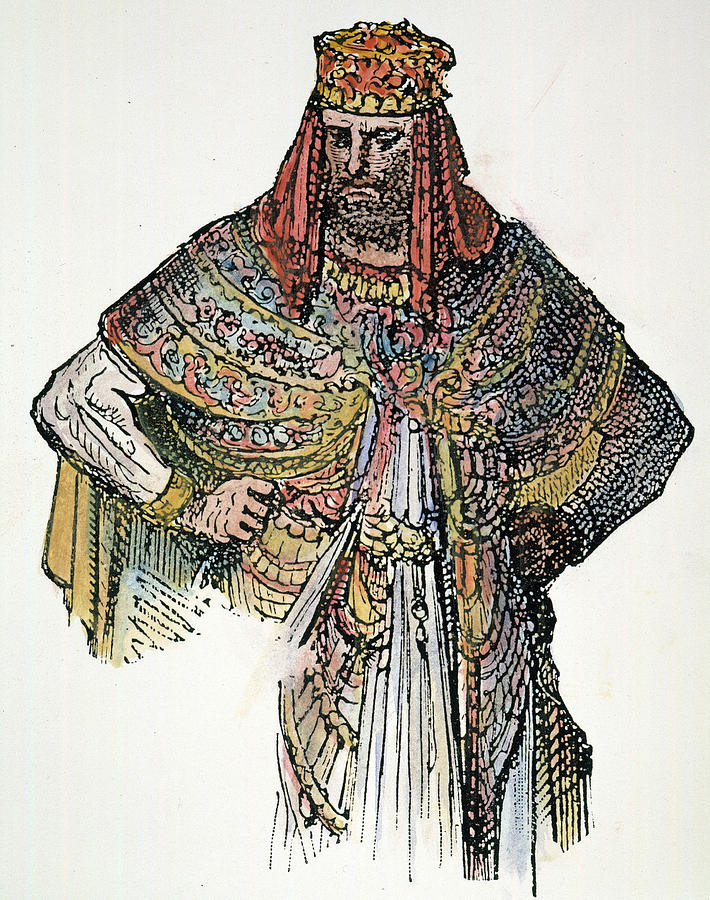
Our classic example is King Nebuchadnezzar, the textbook narcissist. Yes, Nebuchadnezzar king of Babylon, who entertained himself in the evenings by walking the rooftop and admiring, “this great Babylon which I have built.” Here’s a man who liked nothing better than erecting statues to himself! If King Nez could be transformed, we conclude, anyone can be.
Imagine such a man, “preoccupied with fantasies about success, power and brilliance” so radically transformed that he ends up confessing: “The great God sets one up and puts down another!” His condition was severe, and called for the grimmest possible medicine — stuff you would not wish on your worst enemy. But it did the trick. King Nez’s transformation was complete.
Short of that, a lot of love can work wonders. We admire so much the love Daniel had for this delusional king. “If only your dream applied to your enemies, O king! Why not reform your ways while there is time? Try thinking about the poor and oppressed, about the world wider than yourself. Perhaps the appointed judgment can be averted.”
When it’s all said and done, “love conquers all.” No doubt it was Daniel’s love that pulled old king Nez through.
 JCK-at-large SITE
Leave a comment